
Your Eyes Have a Separate Immune System That Your Body Doesn't Know About
It sounds like science fiction, but your eyes possess "immune privilege." This means that the standard immune cells that patrol your bloodstream are largely kept out of your eyeballs to prevent inflammation from blurring your vision. If your systemic immune system were to suddenly "discover" your eyes due to a significant injury, it might actually treat them as foreign invaders and attack them. This biological secret is one of nature’s ways of protecting our most vital sensory organs.
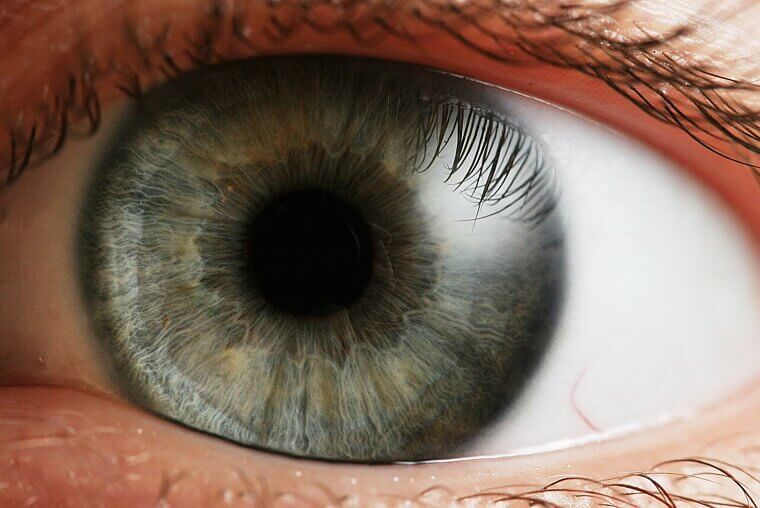
But it's safe to say that the thought of our own bodies being strangers to our eyes is certainly unsettling.
Humans Are Actually Bioluminescent and Glow in the Dark
You might not feel like a lightning bug, but your body is constantly emitting a faint glow. Research has confirmed that humans are bioluminescent, though the light we produce is about 1,000 times weaker than what our naked eyes can perceive. This glow is a byproduct of metabolic reactions involving free radicals. Interestingly, the intensity of this light follows a daily rhythm, peaking in the late afternoon and hitting its lowest point late at night.

While we can’t see each other shimmering, ultra-sensitive cameras have captured this ghostly human aura in total darkness.
Your Brain Is More Active at Night Than During the Day
You might feel like your brain "turns off" when you hit the pillow, but it’s actually working overtime. While you sleep, your brain is busy processing the day’s information, filing away memories, and cleaning out toxins. In many ways, the electrical activity in your brain is more complex and intense during certain stages of sleep (like REM) than when you are sitting at your desk working.
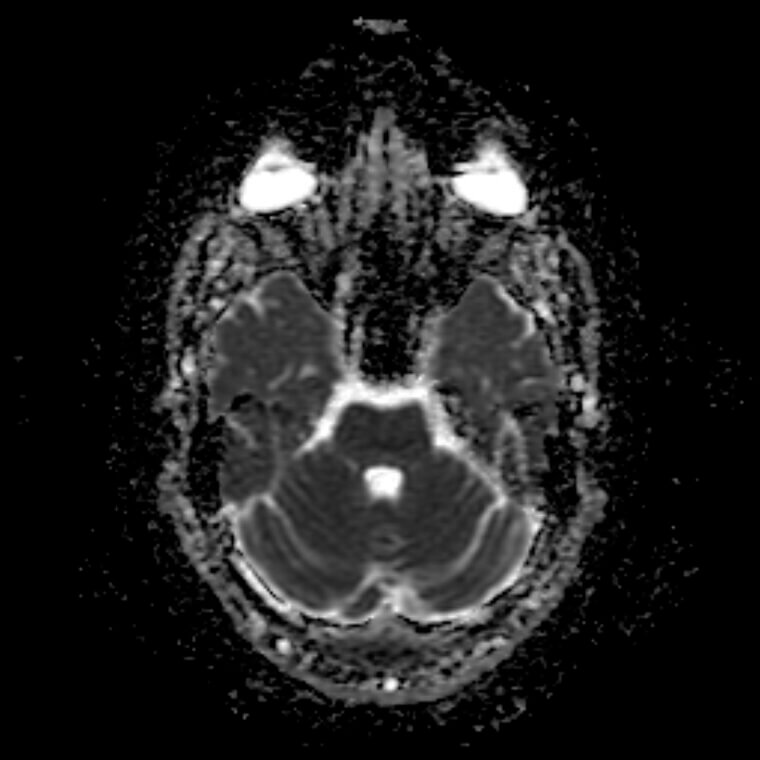
It’s like a computer running its most intensive maintenance updates at night so it can be ready to function properly when you boot it up again.
A Sneeze Can Travel at Speeds Topping 100 Miles Per Hour
The next time you feel a tickle in your nose, remember that you are essentially a biological cannon. When you sneeze, your body forcefully expels air and moisture to clear out irritants. This blast can clock in at incredible speeds, reportedly reaching over 100 miles per hour in some individuals. Because of this massive pressure, it is actually dangerous to hold a sneeze in; doing so has been known to cause injuries.
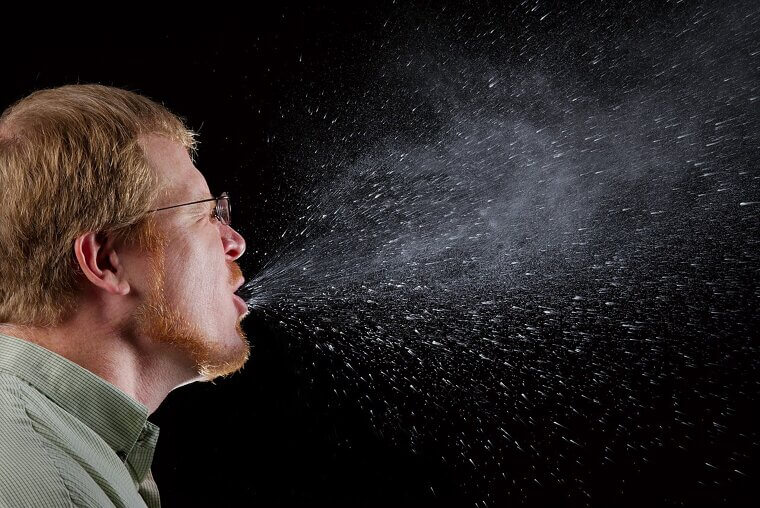
These injuries have ranged from burst eardrums to damaged blood vessels in the eyes. It is always better to let it fly into a tissue.
You Are Taller in the Morning Than You Are at Night
If you feel a bit "shorter" after a long day of errands, you aren't imagining it. Throughout the day, the cartilage in your spine and joints is compressed by gravity and the weight of your body. By the time you head to bed, you can be up to a full centimeter shorter than when you woke up. While you sleep and lie horizontally, the pressure is released.

And your spinal discs rehydrate and expand back to their original size. It’s the closest thing we have to a daily "growth spurt," resetting every single night.
Babies Are Born With About 100 More Bones Than Adults
At birth, a tiny infant actually has roughly 300 bones, while a fully grown adult has only 206. This isn't because bones disappear; it’s because they fuse together. Many of a baby’s "bones" are actually made of flexible cartilage to help them fit through the birth canal and allow for rapid growth. As the child matures, these segments harden and join up to create larger, solid structures. The most famous example is the skull.

The skull starts as several separate plates with "soft spots" before eventually knitting into one protective helmet for the brain.
The Human Brain Can Generate Enough Electricity to Power a Light Bulb
While it may look like a gray, wrinkled sponge, your brain is a powerhouse of electrical activity. Every thought, movement, and heartbeat is fueled by electrical signals jumping between neurons. When you are wide awake, your brain produces about 12 to 25 watts of electricity. This is more than enough to power a low-wattage LED light bulb. This constant electrical hum is the reason why EEGs can track brain waves.
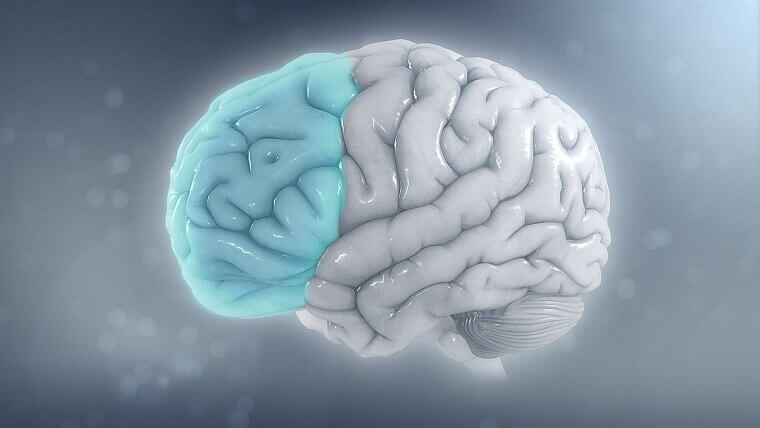
You are quite literally walking around with a shimmering, electric storm happening inside your skull at all times of the day.
Your Sense of Smell Is Directly Linked to the Emotional Center of Your Brain
Have you ever smelled a certain perfume or a batch of cookies and been instantly transported back to your childhood? This happens because the olfactory bulb, which processes smells, is located right next to the amygdala and hippocampus. These are the parts of the brain responsible for emotion and memory. Unlike your other senses, which must travel through several "relay stations" before being processed, scents have a direct line to your feelings.

This is why smells often trigger much more vivid and emotional memories than sights or sounds ever could.
You Are Carrying Around About Three Pounds of Bacteria
If you stepped on a scale right now, about two to five pounds of your total weight would actually be the bacteria living inside and on you. This is known as your microbiome. Most of these microbes live in your gut and are essential for your health, helping you digest food, produce vitamins, and fight off illnesses. You are essentially a walking ecosystem, providing a home for trillions of tiny "roommates."
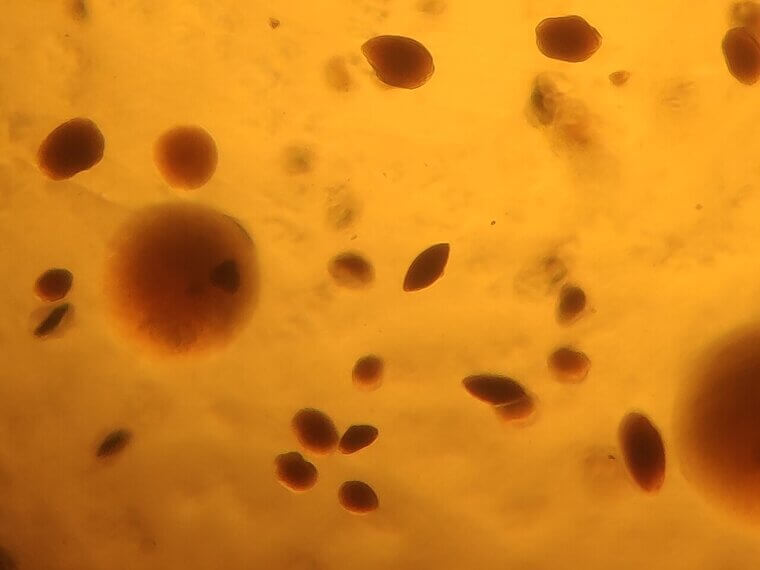
Without this heavy load of bacteria, your body would struggle to function, making them a very important part of your "body weight."
You Have No Sense of Smell When You Are Asleep
You might think a bad smell would wake you up, but science says otherwise. Studies have shown that while noises and lights can easily disrupt sleep, odors generally do not. During the deeper stages of sleep, the brain's olfactory processing essentially shuts down. This is one reason why smoke detectors are so vital; you won't "smell" the smoke while you are dreaming, and the sound of the alarm is the only thing that will reliably trigger your brain to wake up.

Your nose essentially takes the night off while your ears stay on guard.
Your Feet Contain One-Quarter of All the Bones in Your Body
If you feel like your feet are complicated, it’s because they are! Each foot contains 26 bones, meaning that together, your feet have 52 bones. Since the adult skeleton has 206 bones in total, your feet account for about 25% of your entire skeletal structure. This complexity is necessary to provide the balance, support, and flexibility required for us to walk upright on two legs.

With 33 joints and more than 100 muscles, tendons, and ligaments, your feet are arguably the most intricate mechanical "devices" in your entire body.
Your Blood Vessels Could Circle the Earth Over Two Times
If you were to take every artery, vein, and tiny capillary out of an average adult and lay them end-to-end, the line would stretch for about 60,000 miles. For a child, that number is closer to 40,000 miles. Since the circumference of the Earth is about 24,901 miles, your internal "plumbing" system is long enough to wrap around the entire planet twice with plenty of room to spare.

This massive network ensures that every single cell in your body receives the oxygen and nutrients it needs to stay alive and healthy.
The Acid in Your Stomach Can Dissolve a Razor Blade
This isn't an invitation to eat hardware, but it is a testament to your body's chemistry. Scientists have conducted tests where they placed single-edged razor blades in liquids mimicking stomach acid. After 24 hours, the blades became significantly thinned and brittle. Your stomach acid (hydrochloric acid) usually sits at a pH level of 1 or 2, which is extremely corrosive. This intense acidity is necessary to break down tough proteins.
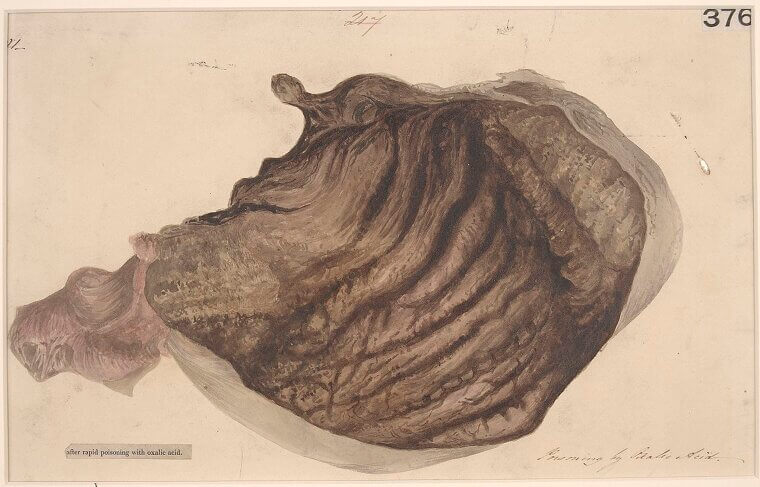
And it kills off harmful bacteria that might be hitching a ride on your food, keeping your internal system clean and functional.
Your Bones Are Five Times Stronger Than Steel of the Same Weight
Ounce for ounce, human bone is a structural masterpiece. A piece of bone the size of a matchbox can reportedly support the weight of a 9-ton truck without crushing. While steel is obviously harder, bone is much lighter and has a degree of flexibility that keeps it from being brittle. It is a composite material made of minerals like calcium and flexible protein fibers. This unique combination allows your skeleton to absorb impact.

And helps it support your entire body weight for decades, all while being light enough to allow for easy, fluid movement.
A Large Percentage of the Dust in Your Home Is Actually Dead Skin
If you look at a sunbeam and see dust motes dancing in the air, you are likely looking at yourself. Humans shed about 30,000 to 40,000 dead skin cells every single minute. Over the course of a year, that adds up to nearly eight pounds of skin. Much of this debris settles on your furniture, floors, and bookshelves. In fact, many reports suggest that up to 50% of household dust is comprised of these shed skin flakes.

While it sounds a bit "creepy," it’s just the natural result of your body constantly renewing its outer layer.
Your Liver Is the Only Internal Organ That Can Completely Regrow
The liver is the ultimate "survivalist" organ. It is so resilient that if a surgeon removes up to 75% of it, the remaining portion can grow back into a full-sized, functional liver within just a few months. This is possible because liver cells act much like stem cells, rapidly dividing to replace the missing tissue. This unique regenerative ability is what allows for "living donor" transplants.

That's when a healthy person gives a piece of their liver to someone else, and both people end up with a full liver shortly after.
Fingerprints Aren't the Only Unique Print You Have
While forensic shows always focus on fingerprints, your tongue actually has a unique "tongue print." Just like the ridges on your fingers, the bumps and grooves on your tongue are specific to you and you alone. No two people, not even identical twins, share the exact same tongue pattern. While it is unlikely that we will see tongue-scanners at the airport anytime soon, some researchers have looked into using these prints for identification.
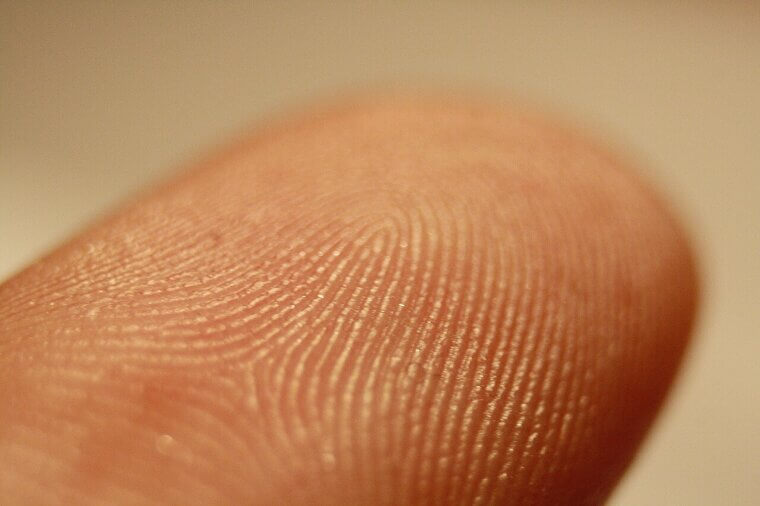
It could be beneficial because the tongue is protected inside the mouth and very difficult to forge or alter compared to fingertips.
The Heart Can Continue to Beat Even When Removed From the Body
The human heart is a remarkably independent organ. It has its own electrical impulse generator called the sinoatrial node. Because it creates its own "spark," a heart can continue to beat for a short period even if it is completely disconnected from the nervous system and removed from the chest, as long as it has a supply of oxygen. This incredible autonomy is exactly what makes heart transplants possible.

It can keep thumping away in a specialized container while traveling miles to a waiting patient, proving it truly is the body's ultimate motor.
Your Small Intestine Is Actually Four Times Longer Than You Are Tall
Don't let the name "small" fool you. While it is narrower than the large intestine, the small intestine is incredibly long. In the average adult, it measures between 18 and 23 feet. If you were to stretch it out, it would be as long as a one-story house is tall. It is tightly coiled and folded to fit inside your abdominal cavity. But there's a reason for it's wild length.
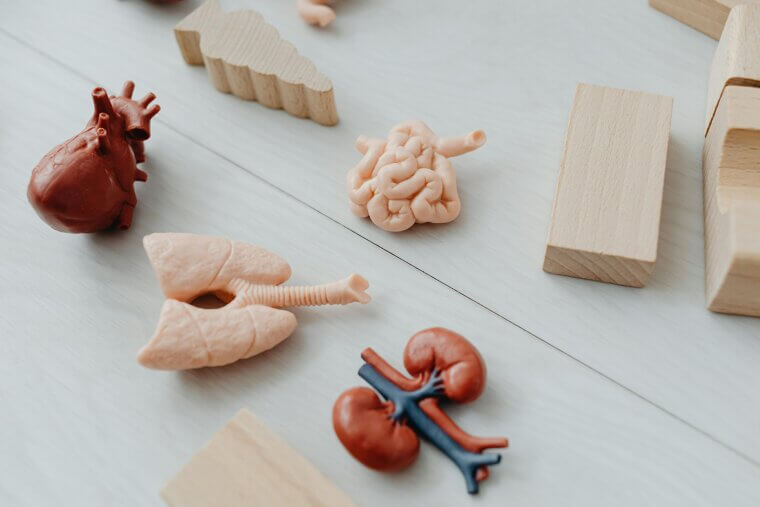
The reason for this extreme length is to provide as much surface area as possible for your body to absorb nutrients from the food you eat during the long digestive process.
Your Body Contains Enough Carbon to Fill 9,000 Pencils
We are all "made of star stuff," but we are also made of some very basic elements. The human body is about 18% carbon. If you were to extract all the carbon from an average adult, you would have enough to create the graphite cores for about 9,000 standard pencils. Additionally, you contain enough iron to make a three-inch nail and enough fat to make seven bars of soap.
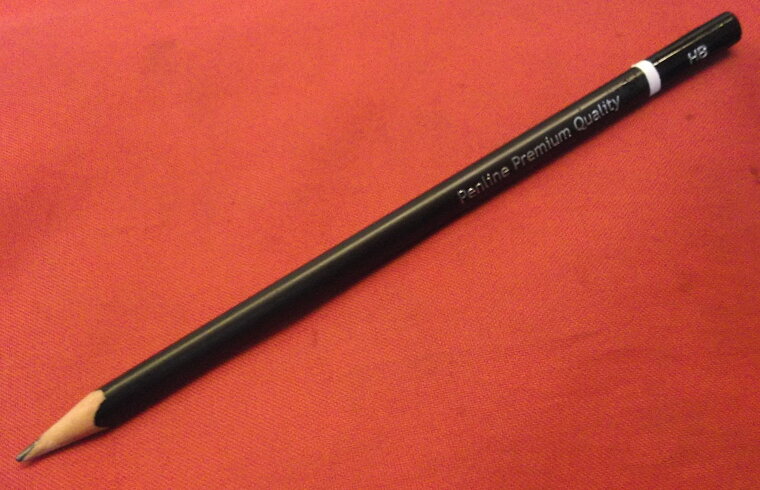
It’s a fascinating look at our "raw materials," proving that while we are complex emotional beings, we are also a walking collection of basic chemical ingredients.
You Have More Bacteria in Your Mouth Than People on Earth
The human mouth is a bustling metropolis for microorganisms. Even if you are a champion at brushing and flossing, your mouth is home to billions of bacteria. In fact, scientists estimate there are between 500 to 1,000 different species of bacteria living in the average human mouth. At any given moment, the number of individual bacteria in your mouth easily exceeds the total number of humans currently living on the planet.
Most of these are "good" bacteria that help protect you, but it’s still a staggering thought to have a whole world inside your cheeks.
Your Tongue Is the Only Muscle That Is Attached at Only One End
Most muscles in the body, like your biceps or hamstrings, are attached to bones at both ends to create movement. The tongue is a unique outlier, known as a muscular hydrostat. It is anchored at the back to the hyoid bone but remains free at the front. This specialized structure allows for the incredible range of motion and flexibility required for complex speech and the manipulation of food.

Because it isn't tethered at both ends, it can stretch, fold, and pivot in ways no other muscle in the human body can.
Your Nose and Ears Never Stop Growing
If you’ve ever looked at photos of your grandparents and thought their ears looked larger than in their youth, you were right. While most of your body stops growing after puberty, your nose and ears continue to get larger throughout your entire life. This isn't because the cartilage is "growing" in the traditional sense, but rather due to gravity. As we age, the collagen and elastin fibers in our cartilage break down.

This causes the structures to sag and stretch. Consequently, they appear to keep growing until the day we pass away.
Your Stomach Lining Completely Regenerates Every Few Days
The acid in your stomach is incredibly potent—strong enough to dissolve metal over time. To prevent your body from literally digesting itself, your stomach must maintain a high-speed repair schedule. Every three to four days, your stomach produces a brand-new lining of mucus and cells. This rapid turnover ensures that the hydrochloric acid stays focused on your lunch rather than the organ housing it.

It is a constant race between the corrosive power of your digestive juices and the regenerative capabilities of your epithelial cells, and luckily, your body usually wins.
You Produce Enough Saliva in a Lifetime to Fill Two Swimming Pools
It might sound a bit unappetizing, but saliva is one of your body’s most hardworking fluids. It aids digestion, protects your teeth from decay, and keeps your mouth healthy. On average, a healthy person produces about one to two liters of spit every single day. Over the course of a lifetime—roughly 75 years—that adds up to about 25,000 to 30,000 liters. If you were to collect it all (please don't), you would have a wild amount of liquid.

Enough liquid to fill two standard-sized backyard swimming pools. It’s a staggering amount of biological "lube" for your mouth.
The Average Person Will Spend One Year of Their Life on the Toilet
Biology dictates that what goes in must come out, and we spend a surprising amount of our lives dealing with that reality. Statistical averages suggest that the typical human spends about 20 minutes a day in the bathroom for "business." Over a lifetime of 80 years, that adds up to roughly 400 days, or over a full year. This doesn't even include the time spent showering or brushing your teeth!

It’s one of those mundane medical facts that makes you realize just how much time our basic biological functions demand of us every day.
The Cornea Is the Only Part of the Body With No Blood Supply
Almost every inch of your body relies on blood vessels to deliver oxygen and nutrients, but your eyes' corneas are the exception. The cornea must remain perfectly clear to allow light to pass through, and tiny red blood vessels would obstruct your vision. Instead of blood, the cornea gets its oxygen directly from the air around you. It also absorbs nutrients through the tears on the outside and the fluid inside the eye.
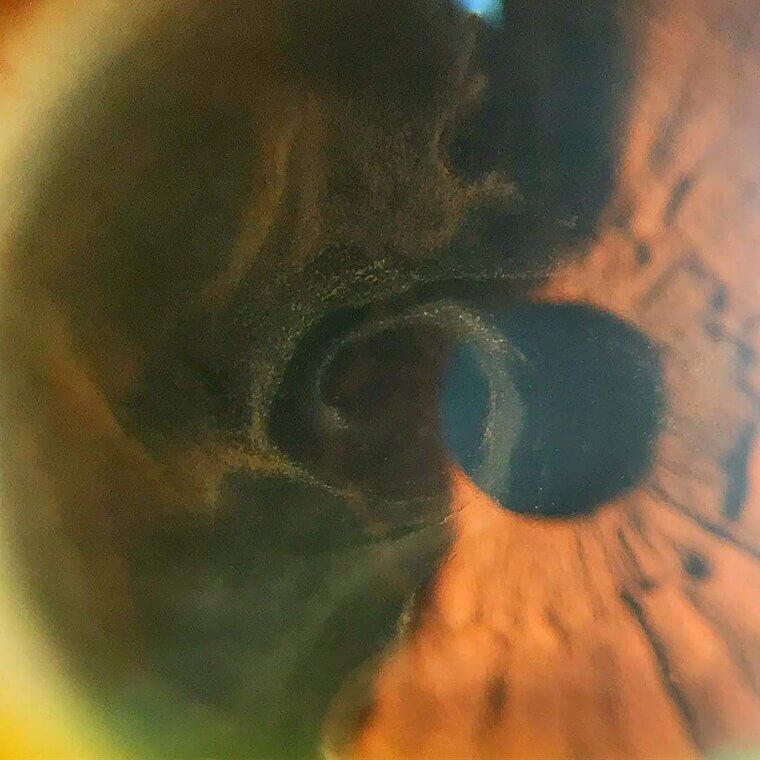
This is why wearing contact lenses for too long can be risky—you are essentially "suffocating" the cells in your eye.
Nerve Impulses Can Travel Faster Than a Formula 1 Race Car
When you touch a hot stove, your brain knows about it instantly. This is because nerve impulses move at incredible speeds. In the fastest neurons, signals can travel at approximately 250 miles per hour. This is faster than the top speeds of most high-performance race cars. This rapid-fire communication is essential for survival, allowing you to react to danger in milliseconds. However, not all nerves are this fast.

Some signals, like those for dull, aching pain, travel much more slowly—at only about two miles per hour—which is why the "sting" often follows the initial "thump."
You Forget About 90% of Your Dreams Within Minutes of Waking
We spend about six years of our lives dreaming, but we remember very little of it. Within five minutes of waking up, half of the dream you just had is gone from your memory. By the ten-minute mark, 90% of it has vanished forever. Scientists believe this happens because the brain processes involved in long-term memory are mostly "turned off" during sleep.

Unless you write a dream down immediately or it was particularly vivid and emotional, your brain simply treats it as "junk data" and clears it out to make room for the day’s real events.
Humans Are the Only Animals Capable of Shedding Emotional Tears
While many animals produce "basal" tears to keep their eyes moist or "reflex" tears to flush out dust, humans are reportedly the only species on Earth that cries due to feelings. Emotional tears have a different chemical makeup than regular lubricating tears; they contain higher levels of stress hormones and natural painkillers. Some researchers believe that crying evolved as a social signal to show others we need help or to provide a physical "release" for intense pressure.

It is a uniquely human biological response to the complexities of our inner emotional lives.
Your Fingerprints Develop Before You Are Even Born
You had your unique identity before you even took your first breath. Fingerprints begin to form when a fetus is only about 10 to 13 weeks old. These patterns are created as the fetus touches the sides of the womb and the amniotic sac. The pressure and movement cause the skin layers to buckle and form the ridges we see today. The environment in the womb is slightly different for everyone.
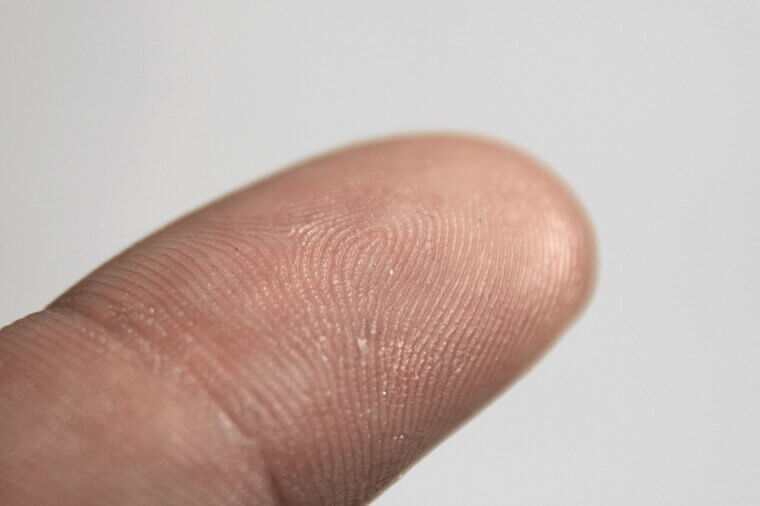
Even for identical twins—no two sets of fingerprints are ever the same. Your signature mark was literally "pressed" into you in the womb.
A Human Heart Beats About 100,000 Times a Day
Your heart is the most dedicated worker you will ever employ. It never takes a holiday or a coffee break. In a single day, it pumps roughly 2,000 gallons of blood through a vast network of vessels. To accomplish this, it beats about 100,000 times. By the time you reach age 70, your heart will have beaten more than 2.5 billion times.
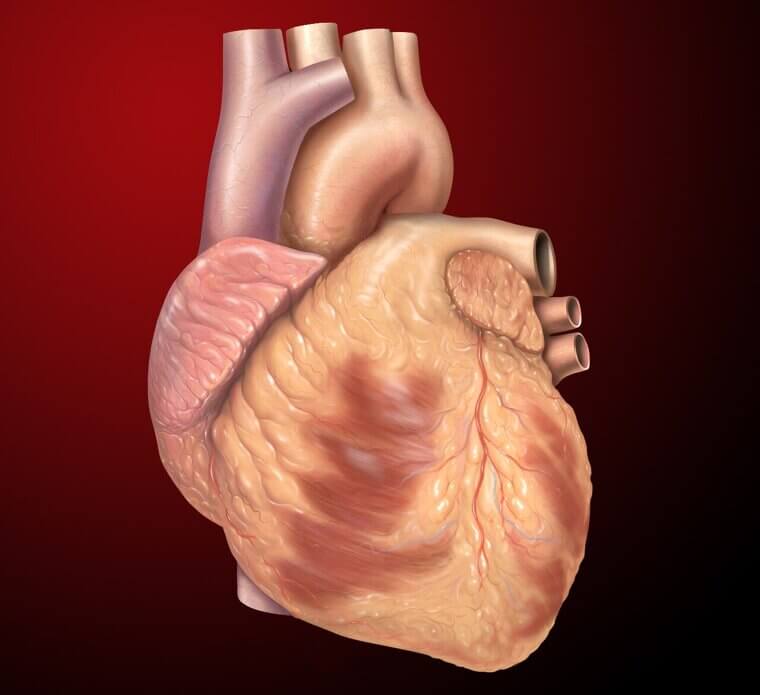
It is a staggering amount of mechanical work for an organ the size of your fist, and it does it all without you ever having to think about it or remind it to keep going.
Your Taste Buds Are Replaced Every Two Weeks
If you burnt your tongue on hot coffee today, don't worry—you’ll have a fresh set of taste buds soon. The average person has about 10,000 taste buds, but they aren't permanent. They are constantly dying off and being replaced. Every week or two, you essentially have a "new" mouth for tasting. However, as we age, this replacement process slows down. By the time we reach our 50s or 60s, the number of taste buds can drop by half.
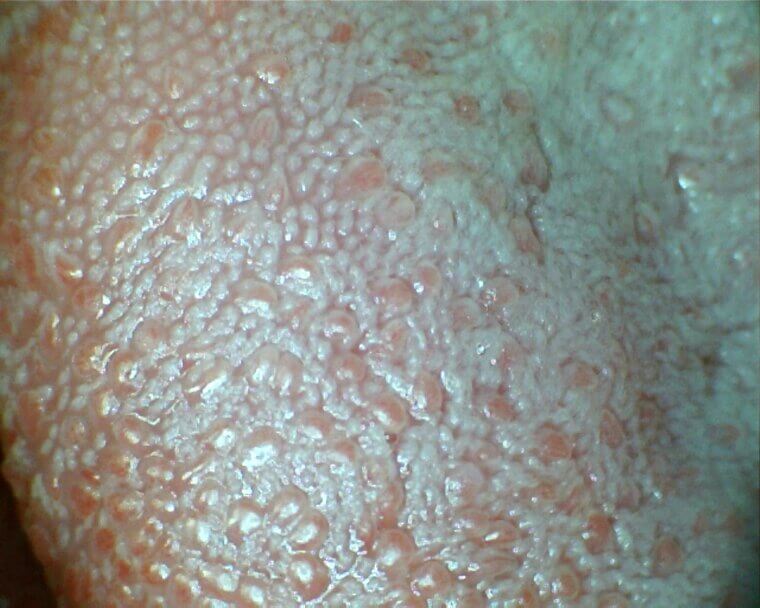
This is why some foods might seem less flavorful as we get older compared to when we were children.
The "Old Person Smell" Is Actually a Real Chemical Compound
It’s not just about soap or perfume; there is a biological basis for the distinct scent often associated with older adults. Research suggests that as people age, their skin produces more of a chemical compound called 2-nonenal. This compound is a byproduct of the breakdown of fatty acids on the skin and is reportedly not easily washed away by regular soap. Interestingly, studies have shown that most people don't actually find the smell "bad."

They often describe it as "earthy" or "musty"—but it is a real, scientifically measurable change in body chemistry.
It Is Physically Impossible to Tickle Yourself
Go ahead and try it—you likely won't even crack a smile. This is because your cerebellum, the part of the brain that monitors movement, can predict where your own hand is going to touch. When you try to tickle yourself, your brain "cancels out" the sensation because it isn't a surprise. Tickling is actually a "panic" response to an unexpected touch, which is why it usually involves laughter and squirming.

Since you can't surprise your own brain, you are effectively "immune" to your own fingers, making the sensation feel like any other ordinary touch.